
MARYLAND OPERA STUDIO
The Maryland Opera Studio’s curriculum is designed to prepare singers for the future of opera by building vocal and musical skills alongside dramatic and physical skills through practical experience with esteemed resident faculty and visiting artists. Individual attention is a core principle with a select number of graduate students in each class and guaranteed performances in each semester of study, including full roles in two productions with orchestra.
Performance Opportunities
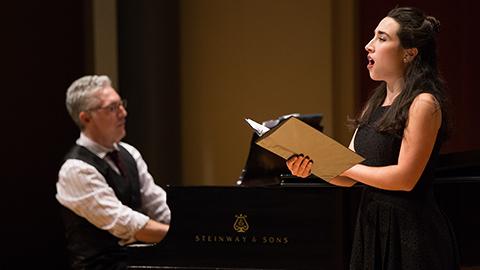
New Work Reading
Annual commissions are written for and feature all the members of the first-year class.

First-Year Opera Scenes
Each student is cast in multiple scenes, tailored to the musical and dramatic needs of the class.

Fall Opera
Each second-year student performs a role in this minimally produced opera with orchestra. The fall opera presents the art at its most elemental—focusing on the singer, the story and the music.

Spring Opera
This fully produced production with orchestra culminates the final semester of study, providing roles for each member of the second-year studio.
The Program
The Maryland Opera Studio curriculum is designed to prepare students for the current professional environment. During your two years in the studio you will train musically, dramatically and physically to be prepared for work in the ever-changing operatic field.
Classes Include:
Acting | Coachings | Costuming | Diction | Improvisation | Lessons | Mask | Mime | Music History | Scene Study | Shakespeare | Stage Combat | Vocal Pedagogy
Master of Music in Opera Performance
Doctor of Musical Arts in Opera Performance
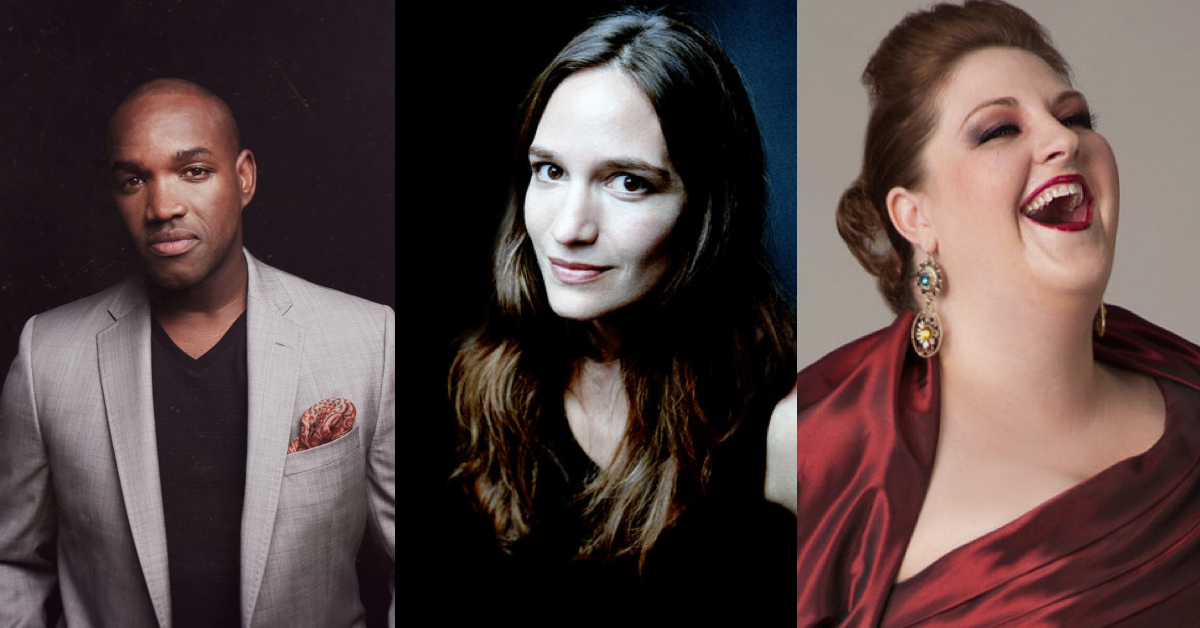
Recent masterclasses by guest artists have included Lawrence Brownlee, Kate Lindsey and Tamara Wilson.
Faculty & Guest Artists
In addition to esteemed resident faculty who guide weekly study throughout the Maryland Opera Studio curriculum, a robust roster of guest faculty and artists join the studio each year to further enhance the curriculum through masterclasses and individual sessions. Guests regularly include world renowned singers and master coaches focusing on breath work, language, stage direction and movement. Each of these artists work regularly in the industry and provide crucial perspective to students entering an ever-evolving profession.